


Nutrition Brief: Why Food Matters More Than You Think (Especially During Growth & Rehab)
- Murray Leyland
- Jan 22
- 3 min read

I was just with a patient this week.
Young athlete. Knee pain. Training hadn’t changed. Same sessions. Same drills.
So we zoomed out.
And the missing piece wasn’t strength or mobility.
It was fuel.
Let’s talk nutrition. Not dieting. Not cutting weight.
Just the basics of giving your body what it needs to keep moving and recover properly.
What Do We Mean by “Nutrition” Anyway?
Nutrition is simply the intake of energy and nutrients that allow your body to function, adapt, and recover.
When training load increases, or when the body is growing, energy demands increase as well. If intake doesn’t match those demands, recovery slows and injury risk rises.
This matters just as much as strength, mobility, or technique.
Growth Comes With a Hidden Energy Bill
This is especially important for teenagers.
During growth spurts (what we call peak height velocity), adolescents can grow more than 1cm per month. That growth isn’t just external. Internally, several systems are adapting at once:
Bones are lengthening and remodelling
Muscles and tendons are adjusting
Organs are developing
Resting metabolism increases
All of this requires energy.
Before training is even factored in.
If sport participation stays the same while growth accelerates, the body can quietly slip into an energy deficit. This is often when pain begins to appear.
Parents will often say, “But their training hasn’t changed.”
That’s true — but their physiological demands have.
This is why we commonly see:
Knee pain
Heel pain
Shin pain
Bone stress injuries
Ongoing aches that don’t seem to settle
It’s not always overtraining.
Very often, it’s under-fuelling.
Nutrition Isn’t Just Calories
Total energy intake matters, but so does consistency and composition.
In simple terms:
Carbohydrates support training and high-intensity work
Protein supports tissue repair and bone health
Regular meals and snacks support recovery and adaptation
Skipping meals, eating lightly around training, or unintentionally under-eating can slow recovery and reduce the effectiveness of rehab.
What Happens When Nutrition Falls Short?
When nutrition doesn’t match demand, we often see:
Slower healing
Reduced response to strength and conditioning
Increased risk of bone and tendon injuries
Pain that lingers despite “doing all the rehab”
Rehab can only work as well as the body’s ability to adapt.
Where Physio Fits In?
As physios, we’re happy to answer basic nutrition-related questions as part of your injury assessment — especially where growth, load, and recovery intersect.
What we don’t do is replace expert sports nutrition support.
If you’re looking for an outstanding team to help you:
Understand fuelling for growth
Optimise performance
Support injury recovery
Learn how to eat confidently around sport
We highly recommend linking in with these legends at Compeat Performance:
Good rehab works best when everyone is on the same team.
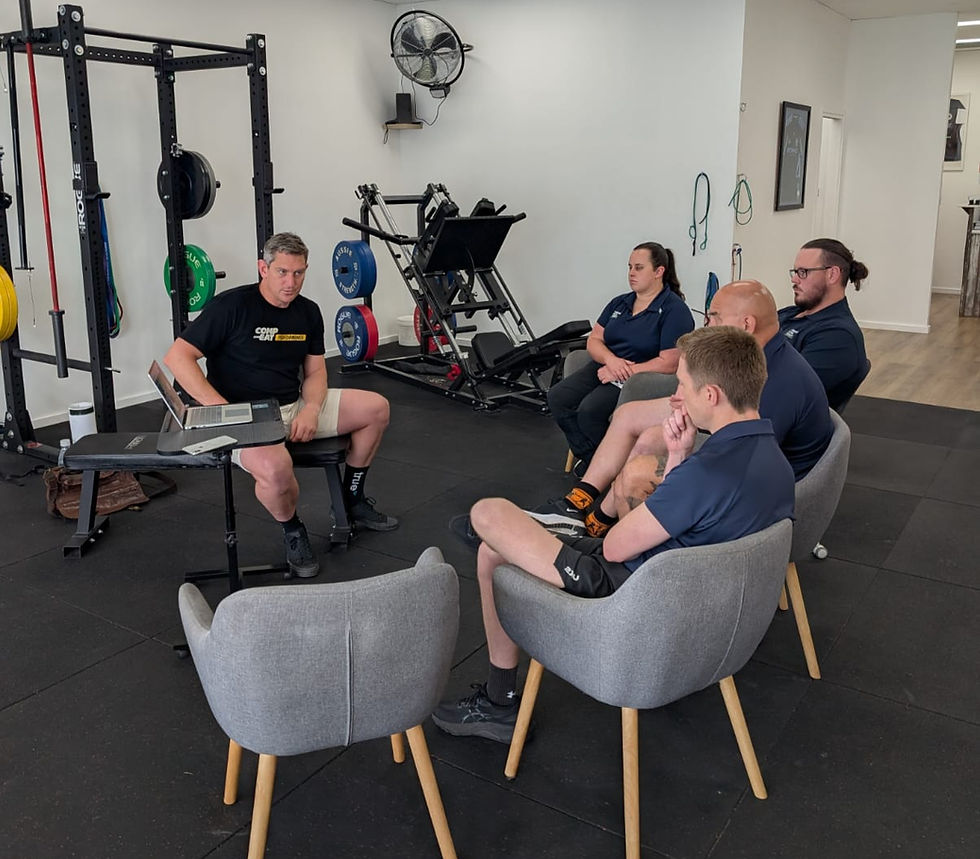
The Simple Nutrition Brief
Growing bodies need more fuel than most people expect
Pain isn’t always caused by training errors
Nutrition supports rehab — it doesn’t slow it down
If recovery is lagging, zoom out before pushing harder
If pain isn’t settling, it’s worth looking at the full picture.
Ready to get started?
If you’re thinking nutrition could be playing a role in ongoing pain, slow recovery, or injuries that aren’t settling — especially during growth or heavy training — we’d love to help.
Book an appointment with one of our physiotherapists.
We’ll look at training load, growth demands, recovery, and fuelling habits — and help you understand what your body needs to heal, adapt, and keep moving well.
Call us or book online today. Let’s support recovery properly.

Your Personal Best, Our Priority.

Murray Leyland
Director, Thornton Physiotherapy
🎥 Didn’t catch the video earlier? Watch the video here.
Related Tags:


Nutrition during growth and rehabilitation functions as a rate-limiting variable in tissue synthesis and recovery timelines. Adequate protein distribution, micronutrient sufficiency, and energy availability directly influence collagen formation and neuromuscular adaptation. Even structured probability systems such as The Pokies show how foundational inputs determine the ceiling of achievable outcomes.